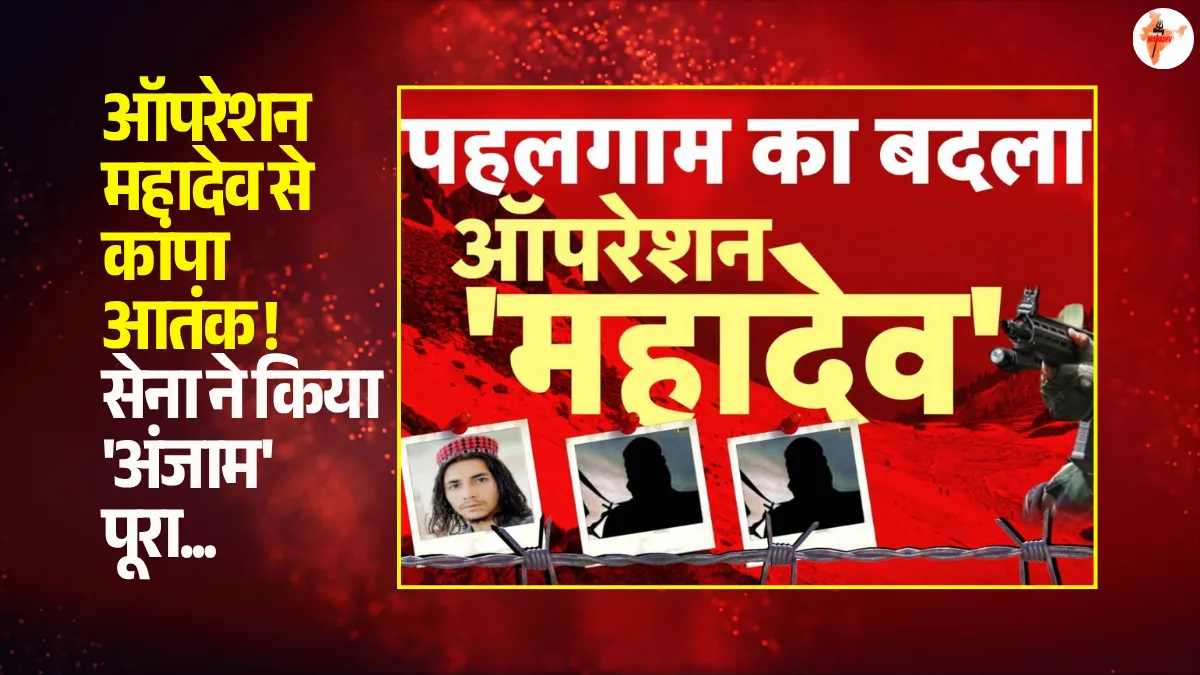
कैसे हुआ Operation Mahadev सफल: Strategy, Intelligence, Surveillance और Coordination: जम्मू और कश्मीर के महादेव टॉप क्षेत्र में किया गया Operation Mahadev केवल एक साधारण सुरक्षा अभियान नहीं था बल्कि एक ऐसे coordinated mission का परिणाम था जिसमें ground intelligence, advanced surveillance technology, multiple security agencies के संयुक्त सहयोग और धैर्यपूर्ण planning ने सफलता दिलाई। इस ऑपरेशन का उद्देश्य सिर्फ immediate engagement नहीं बल्कि deep monitoring, target isolation और error-based exposure strategy पर आधारित था जिसमें patience एक सबसे महत्वपूर्ण हथियार साबित हुआ। इस बड़े पैमाने पर किए गए अभियान ने Indian Army की real operational readiness, CRPF और Jammu-Kashmir Police की responsiveness और India’s modern anti-terror strategy को साबित किया।
Operation Mahadev
| चरण | विवरण |
|---|---|
| जानकारी जुटाना | स्थानीय सूत्र, तकनीकी निगरानी, सैटेलाइट इमेजरी |
| योजना बनाना | सेना, सीआरपीएफ, पुलिस का संयुक्त रणनीतिक प्लान |
| इलाके की घेराबंदी | सभी संभावित निकास मार्ग बंद किए गए |
| तकनीकी उपकरण | ड्रोन, थर्मल कैमरे, लोकेशन ट्रैकिंग डिवाइस |
| अंतिम कार्रवाई | समन्वित टीम ने लक्ष्य को सफलतापूर्वक घेरा और नियंत्रण में लिया |
Intel Gathering और Real-Time Surveillance Signals
ऑपरेशन की शुरुआत तब हुई जब प्रारंभिक रूप से प्राप्त संकेतों को satellite imagery, terrain tracking, और electronic signal monitoring द्वारा verify किया गया। ground-level informers, village-level intelligence network और real-time location anomalies के माध्यम से security agencies को काफी विश्वसनीय संकेत प्राप्त हुए। gathered intel के आधार पर target movement pattern, activity timeline और communication silence windows का विश्लेषण किया गया। India’s signal intelligence units ने suspected radio bursts, mobile signal dark spots और terrain-controlled communication tracking का उपयोग करके target positions की संभावना को narrow किया।
Strategic Military Planning और Multi-Agency Coordination
एक बार actionable intel मिलने के बाद planning चरण शुरू हुआ। Indian Army के infantry units ने terrain familiarity के आधार पर patrol structure तय किया, CRPF field units ने ground sweep responsibility ली, और Jammu-Kashmir Police ने local intelligence sync और civilian risk reduction का कार्य किया। सभी agencies ने joint operational room बनाया जहां प्रत्येक movement, sensor feedback और drone imaging continuously analyse किया गया। यह coordinated planning इतनी detailed थी कि हर यूनिट को पता था कि अगर target ने दिशा बदली तो किस यूनिट को कहाँ से intercept करना है। इस रणनीति में real-time communication encryption, position concealment और synchronized movement imaging शामिल था।
Silent Blockade और 360-Degree Area Control
ऑपरेशन Mahadev का सबसे महत्वपूर्ण चरण था silent encirclement। लक्ष्य क्षेत्र को किसी बड़े शोर या activity के बिना घेरना mission की सफलता की कुंजी था। सभी संभावित exit points को identify करके पहले से seal कर दिया गया, और elevated observation points स्थापित किए गए ताकि wide-angle monitoring की जा सके। इस चरण में troop visibility को कम रखने और natural terrain को cover के रूप में उपयोग करने पर जोर दिया गया। Continuous observation से target मानसिक दबाव में आ गया और उसकी movement predictable होने लगी। इसी mental stress और surveillance fatigue ने उसे वो tactical error करने पर मजबूर किया जिसकी agencies को प्रतीक्षा थी।
Drone Monitoring और Night-Time Thermal Tracking
दिन के समय aerial drone scanning से location mapping की गई जबकि रात के समय thermal optics और infrared scanners को activate किया गया। इस high-tech night surveillance ने ऐसी heat signatures detect कीं जो सामान्य human movement से मेल नहीं खाती थीं, जिससे suspected presence confirm हुआ। developmental phase tech जैसे AI-assisted image classification और motion-based activity clustering ने भी इस surveillance को आगे बढ़ाया। इस दौरान forces ने active engagement से परहेज किया ताकि target engaged होने से पहले exposed हो जाए।
Controlled Engagement और Final Tactical Execution
जब movement और presence निश्चित हो गई तब final tactical execution शुरू हुआ। Indian Army और CRPF के special action squads predetermined angles पर move हुए ताकि surround strategy flawless रहे। engagement measured and controlled था, जिसका उद्देश्य सिर्फ target neutralization था न कि unnecessary heavy assault। civilian safety priority रही, इसलिए engagement radius carefully managed रहा। मिशन के अंतिम चरण में high-discipline combat maneuvering और close-range situational awareness ने साबित किया कि Indian forces precision engagements में world-class capability रखती हैं।
Conclusion
Operation Mahadev यह साबित करता है कि modern warfare केवल firepower पर आधारित नहीं होता बल्कि strategic timing, real-time intelligence gathering, advanced surveillance और multi-agency coordination से सफलता प्राप्त होती है। यह mission India’s modern counter-terror doctrine का एक उत्कृष्ट उदाहरण है और दिखाता है कि जब analytical intelligence और disciplined execution साथ चलते हैं तो target को बिना collateral damage neutral किया जा सकता है।
Disclaimer
यह लेख केवल informational और analytical उद्देश्य के लिए लिखा गया है। इसमें शामिल सभी विवरण सार्वजनिक रूप से उपलब्ध विश्वसनीय स्रोतों पर आधारित हैं।